I found someone else comfortably seated in my window seat. The crew seemingly knew it would take tons of negotiation to sort out, so they just asked if I was okay with an aisle seat instead. I let it go. Shortly after, another passenger walked in and, apparently, had been allocated the same seat as mine too. That had to be sorted out as well, and we eventually left the runway about an hour late.
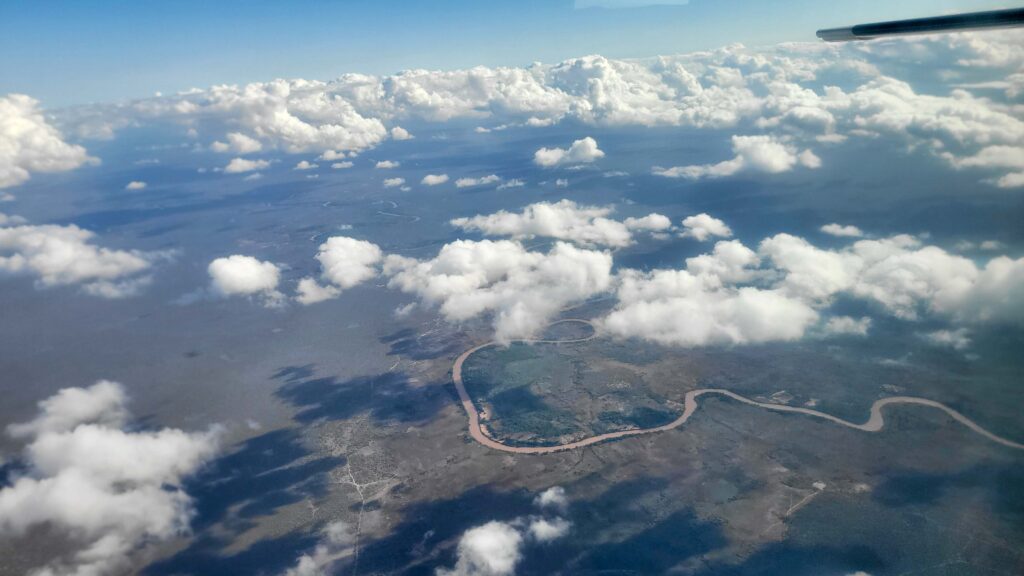
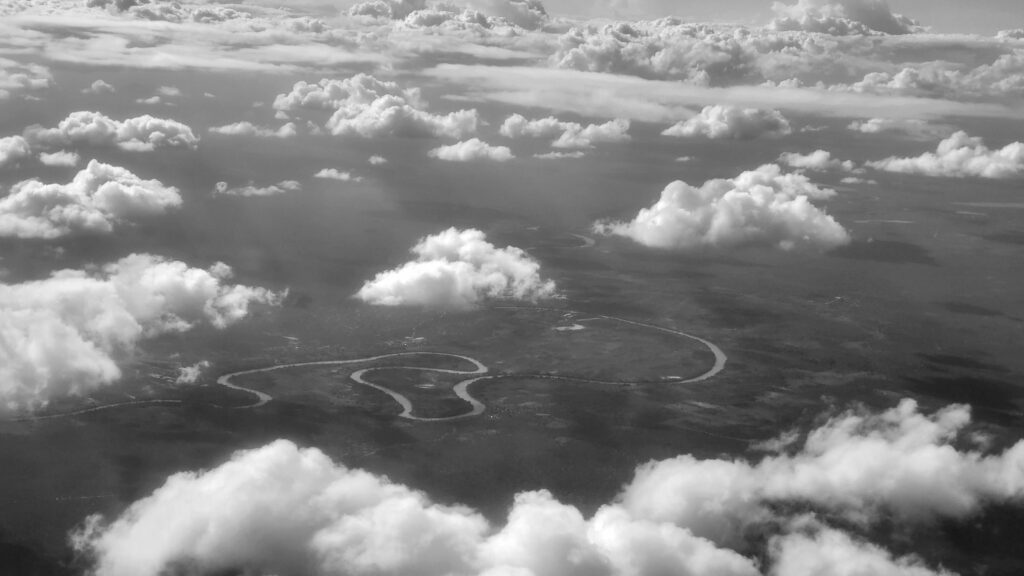
When we were almost touching down in Mogadishu, the plane suddenly took off again. I had never experienced that before. Though, to be fair, I haven’t travelled enough to know what “before” is supposed to mean. It was rough. A minute into the air, the captain informed us that the winds were too strong for a safe landing, so we spent another 20 minutes circling before finally landing.
My bag also went missing from the conveyor belt, eventually turning up off to the side, after almost everyone else had left. By the time I got to the hotel, about 12 hours had passed since I left my house in Nairobi.
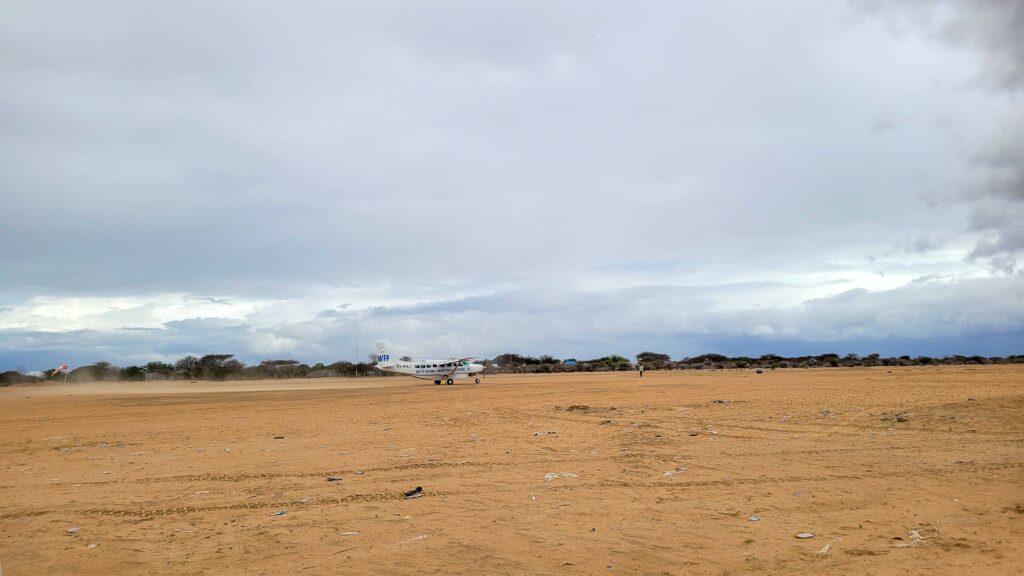
The flight to the field site from Mogadishu had been booked at the last minute, and they struggled to spell my name correctly on the ticket. Somehow, I became “Miss Kineu.” By the second day, fatigue had caught up with me. I lay on the bed without remembering to remove my glasses, and woke up to discover I had slept on them. They broke. Fortunately, superglue worked wonders.
A bumpy landing
The journey back home brought even more drama. I missed my flight by six minutes, and those six minutes eventually cost me four more days. When I got to Addis Ababa, I waited about four hours for my connecting flight, only to be told at the boarding gate that it was overbooked, so I spent another night there.
Even getting to the hotel that night wasn’t straightforward. The transfer team took me to the wrong hotel, and I had to head back to the airport. A stranger there helped me contact the right one, which eventually picked me up, and I arrived past 2 a.m.
The next day, I was finally on my way home. We had another bumpy landing in Nairobi, after circling for about 15 minutes because of traffic, before beginning our descent.
As the plane dropped, as though in free fall, I remembered one of my mother’s prayers from when we were young. She would pray for travellers, including those “travelling by water and air, using things made possible by human hands and wisdom.” I don’t recall any of our relatives travelling by plane or sailing anywhere at the time, so I used to wonder exactly who we were praying for.
After all those flights, delays, and bumpy landings, I finally felt those prayers were being put to good use. I appreciated my mother a little more for them. Apparently, she had been preparing the way for my travels long before I ever got on a plane.
Looking back at the whole journey, I can only laugh. It was a dramatic trip, but I enjoyed it.
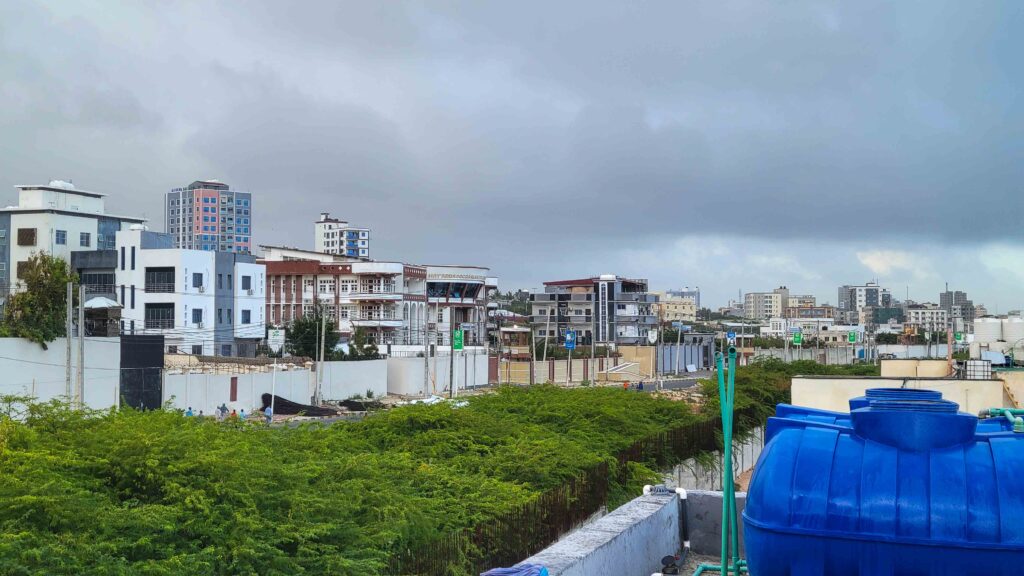
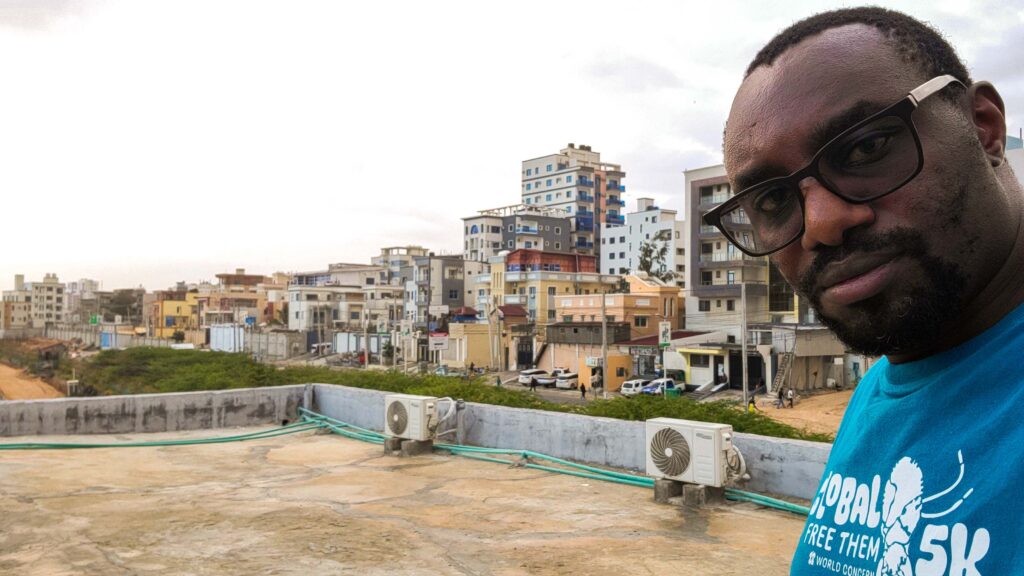
Surprising image of Mogadishu
The most interesting thing about it, though, was how different my experience of Somalia turned out to be from the picture I had carried with me before I got there.
We often form impressions of places before we ever visit them, drawn from news reports, conversations, social media, movies, or stories other people tell us. Over time, these sources shape what we expect to find when we finally get there.
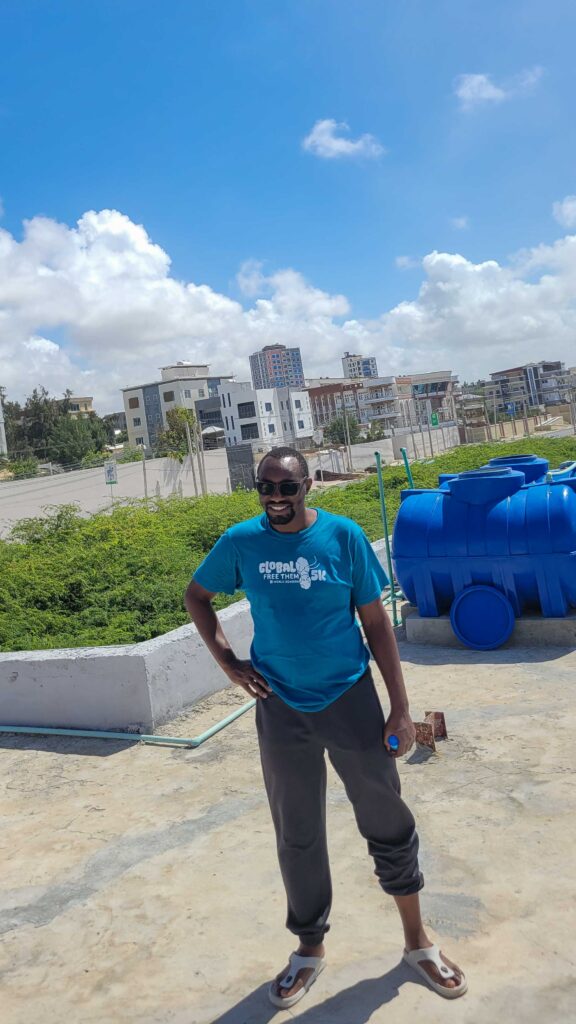
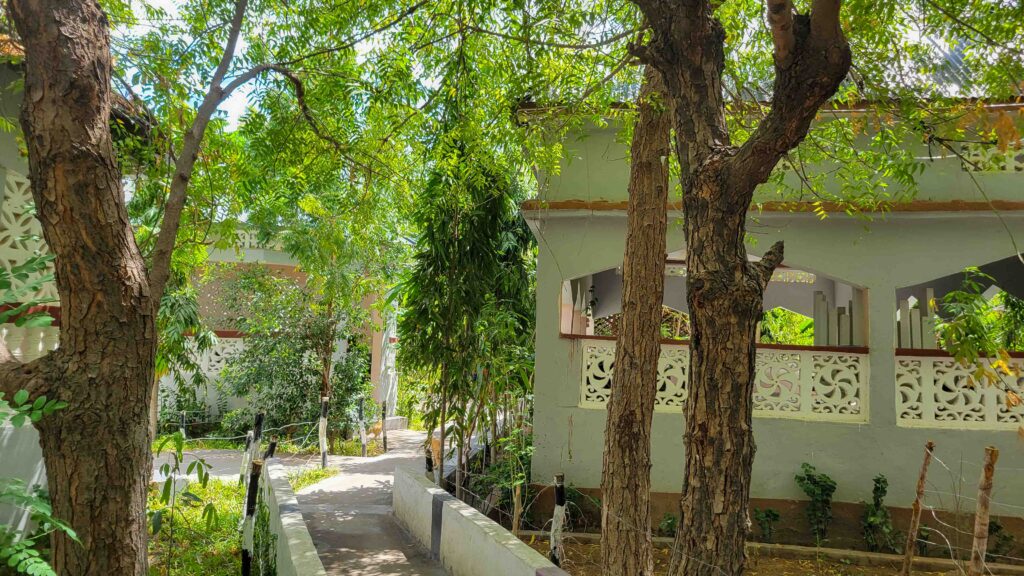
My experience challenged some of those expectations. I saw modern houses and buildings. I had calm moments. I met people simply going about their daily lives. I saw a place with its own beauty and character.
Expectancy Violations Theory
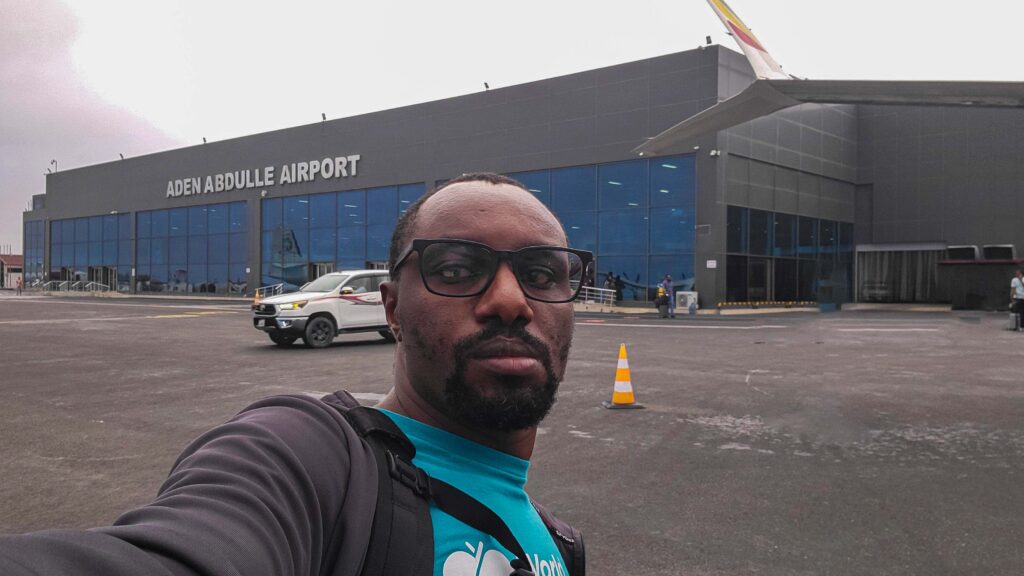
There’s a communication theory that explains this well. Judee Burgoon’s Expectancy Violations Theory says we enter situations carrying expectations about people, places, and events, and when reality doesn’t match those expectations, we pay closer attention to what’s actually in front of us. That’s exactly what happened the moment I landed and saw Mogadishu’s modern, glass-fronted airport.
It works the same way in many fields. A community may expect an organisation to communicate a certain way because of past experience. A donor may expect a particular kind of story from a programme. An audience may expect an organisation to sound a certain way because of what they already know about it. When communication doesn’t match those expectations, people notice.
It can work for us or against us
That can work for us or against us. A well-handled difference can create attention and openness. A poorly handled one breeds confusion or distrust. Which is why it matters to understand your audience before deciding what to say, how to say it, and where.
For organisations, this plays out in how they communicate with communities. People don’t receive messages as blank pages. They arrive with their own experiences, beliefs, and expectations about NGOs, government, aid, development workers, and the services on offer. Good communication takes that seriously. It listens before it speaks, and it makes room for communities to explain how they understand their own situation.
The same principle can be seen in homes. Children develop expectations about how their parents communicate with them. When a parent suddenly responds differently, a child notices. A family member who has always been listened to reacts differently the moment they feel ignored. Understanding these expectations helps families handle difficult conversations, and change, with more care.
How can we tell the complete story?
There’s also a lesson here for how we talk about places and people. If all we know about somewhere comes from one kind of story, it’s easy to end up with a narrow picture of it. That doesn’t mean the challenges we hear about aren’t real. It just means they’re not the whole story.
For communicators, the stories we tell about places and people shape how others see them. We need to be careful about reducing communities and countries to a single narrative. There’s value in going beyond what we’ve heard, listening to people directly, and letting our own experience challenge what we thought we already knew.