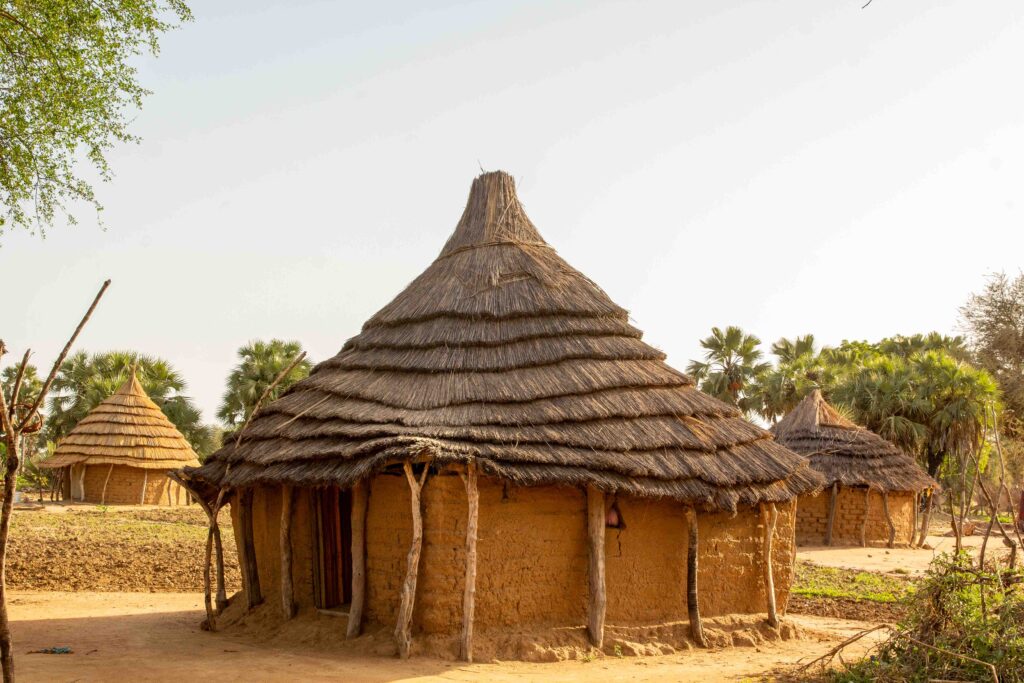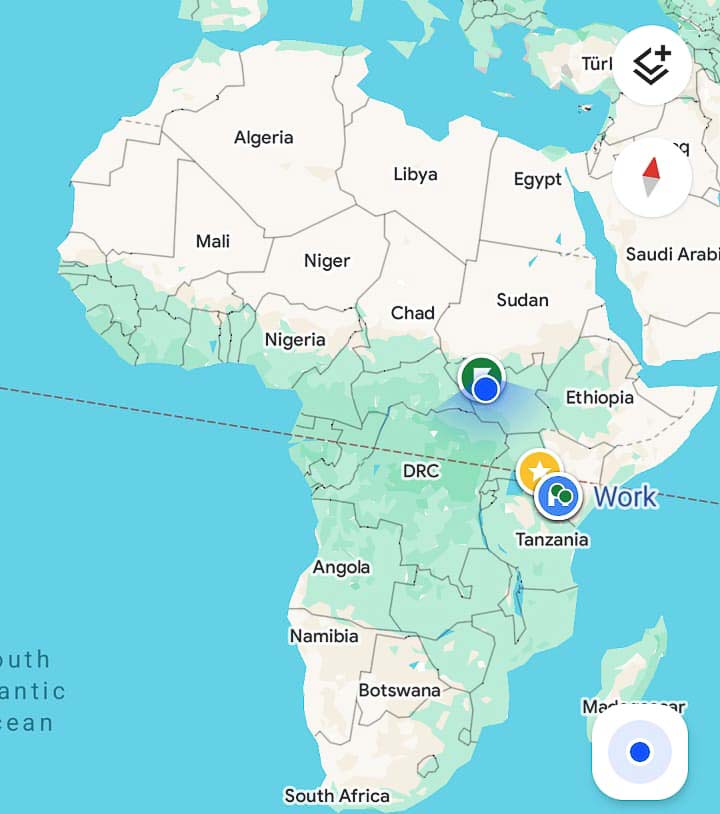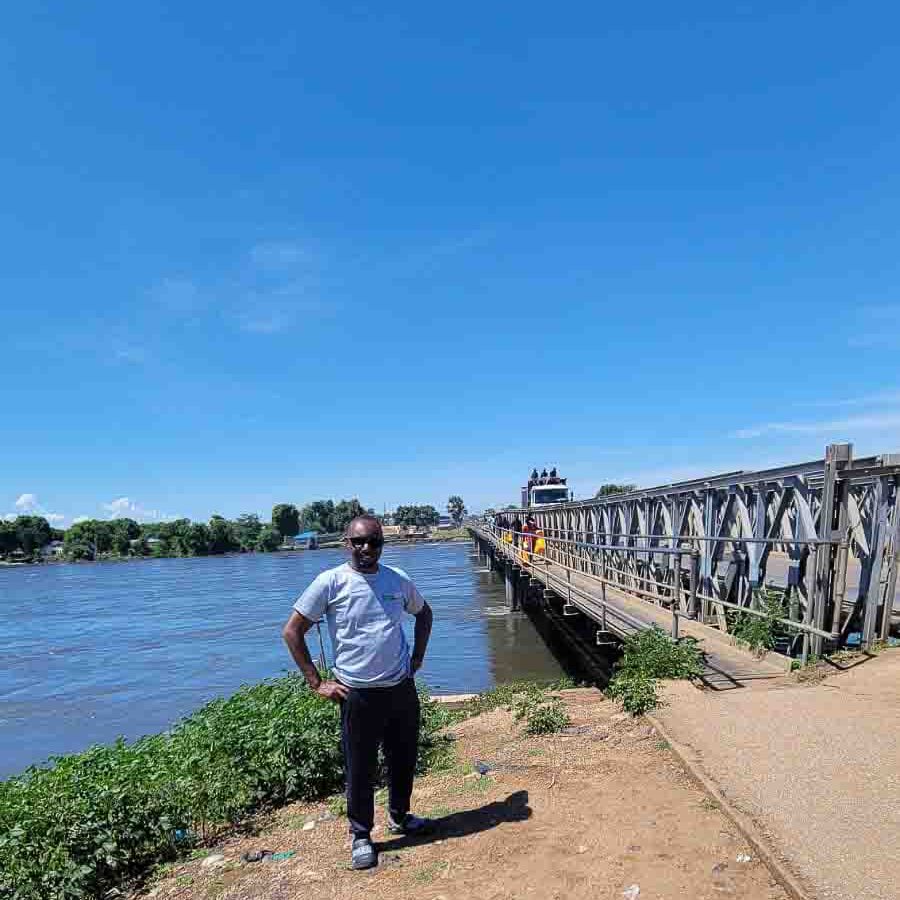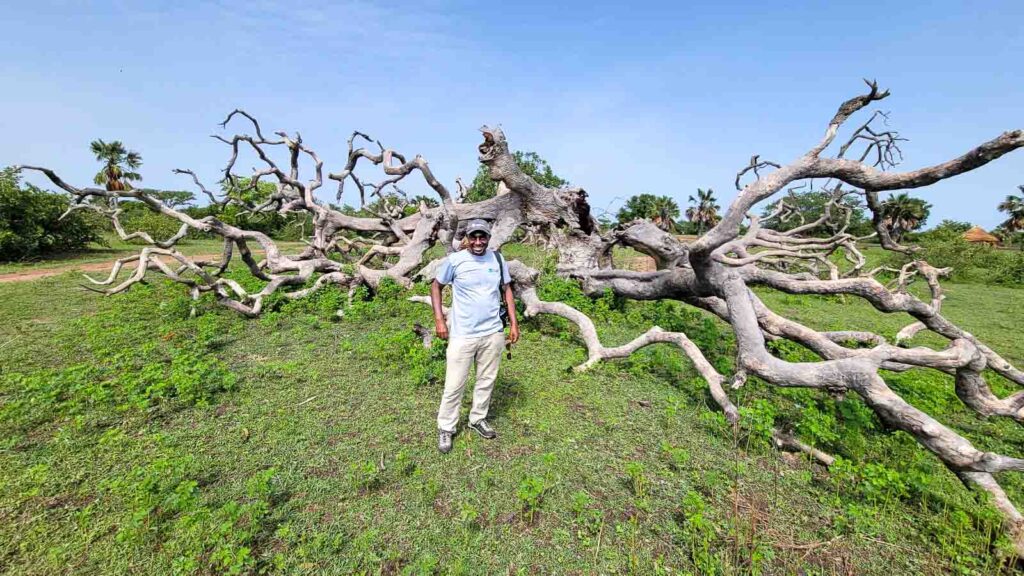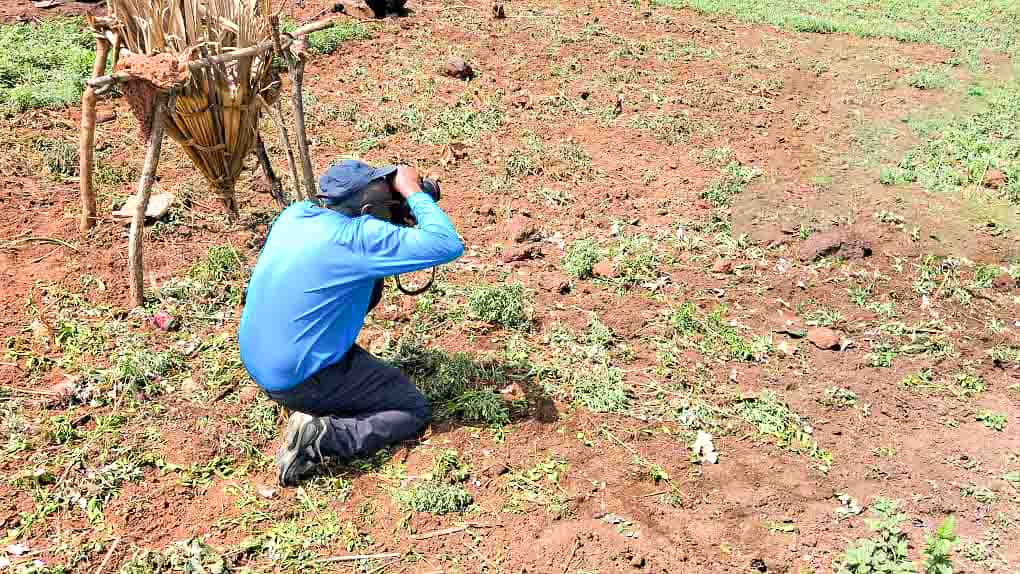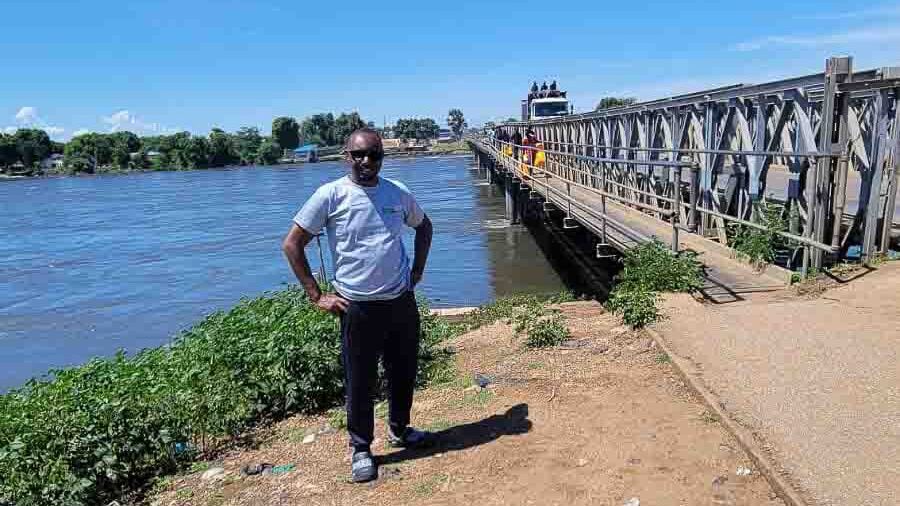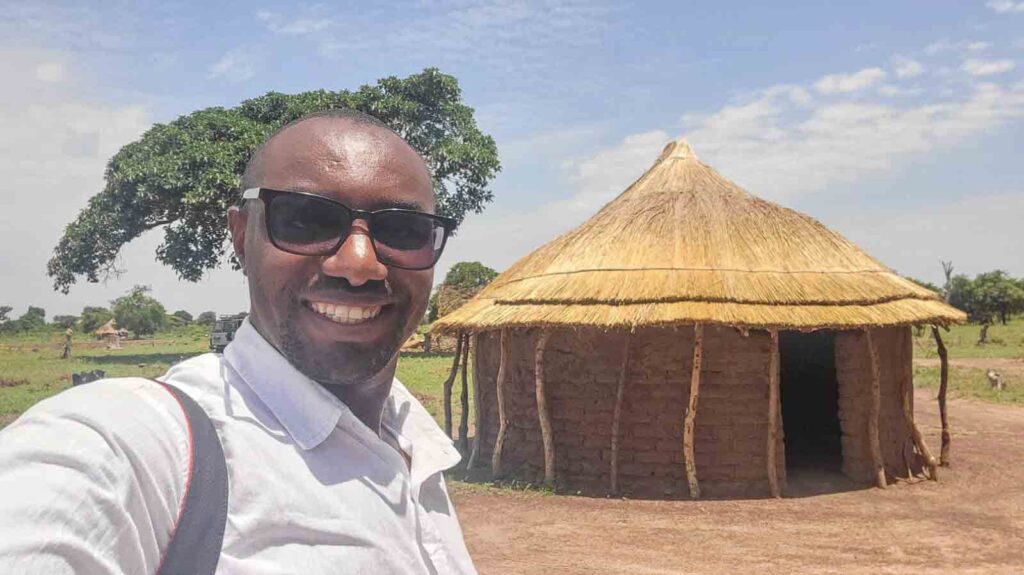
I have been in South Sudan and, this time, before I share a few photos from my exploration of the country, more than any other trip, my greatest reflection revolved around ethics and context.
Is integrity universal, or is it shaped by governing systems, rules, and societal norms?
Each time I had an interaction with services, money, and people, I could not help but wonder whether I needed to export my own systems or comply. I cannot narrate the several instances I felt conflicted.
So, is ethics contextual or universal?
Integrity is considered as acting consistently with moral and ethical principles regardless of convenience, pressure, or personal gain. In journalism and communications, integrity requires honesty, independence, transparency, and consistency between one’s values and actions, even when operating in unfamiliar cultural or institutional environments.
I work for a Christian humanitarian organisation and I am a Christian communications professional. I have studied ethical journalism and always keep the principles of ethical storytelling at the core of my work.
Now, the principles of accuracy and dignity troubled me a number of times.
Dignity, I found, is also perceived.
Take a case where a participant is not covered enough for me to take any photos of her although the participant is completely unbothered because it is acceptable in their culture and context.
Even though it is acceptable for them to be interviewed in their state, I request for improvements because I think the consumers of the content, myself included, might view the situation through a lens that violates the participant’s dignity. At the same time, however, I deny the audience some degree of accuracy. I am no longer fully demonstrating the truth of her context. I have altered it to fit dignity in my context.
Then I began to think about the story of the South African photojournalist Kevin Carter, whom I wrote an academic paper about during my postgraduate studies at Daystar University.
Was Carter Right?
In March 1993, Carter documented the devastating famine in Sudan and photographed an emaciated child near the village of Ayod while a vulture waited nearby. The image shocked the world, brought global attention to the famine, and earned him the Pulitzer Prize for Feature Photography in 1994. Yet the photograph also sparked intense public criticism regarding the role and responsibilities of journalists witnessing suffering. Haunted by public backlash and the psychological burden of covering extreme violence, starvation, and conflict, Carter died by suicide on July 27, 1994, at the age of 33.
Because my organisation goes to the end of the road to reach the least, the lost, and the forgotten, I am always likely to encounter quite needy cases. The dilemma of dignity versus truth repeatedly pulled at my heart, and I often found myself wrestling with whether to press the shutter button or not.
I am still processing these issues, but if asked to choose between the two, I would still choose a dignified truth.
I never exaggerate a situation. Yet I have been in places where, because of the goat milk in the homestead, flies are simply impossible to avoid. Sometimes the best photograph has a fly in it. I didn’t go out of my way to bring the fly into the frame; in any case, I had been trying so hard not to capture any of them. To the people, flies are a non-issue, but the audience may think about the flies differently. Then I have to decide whether the fly adds value in telling the truth or whether it distorts dignity. If I edit it out, have I improved the image, or have I violated another principle of ethical storytelling?
You see, this work is not as easy as it looks on the surface.
There are emotional and professional conflicts and tensions hidden behind every press of the camera shutter.